
Electric Cars
9th January 2026
Choosing between a Hybrid or Electric Car
PHEV or pure electric – what do you need to consider?
If you’re thinking about switching to a low-emission car through a salary sacrifice scheme, fully electric vehicle (EVs) and plug-in hybrids (PHEVs) both have clear advantages. Each can cut your running costs and emissions, and both are tax-efficient – but they suit different driving needs.
Here’s a simple guide to help you choose the right one for you.
Understand the evolving tax picture
Two things will shape running costs over the coming years:
Benefit-in-Kind (BIK)
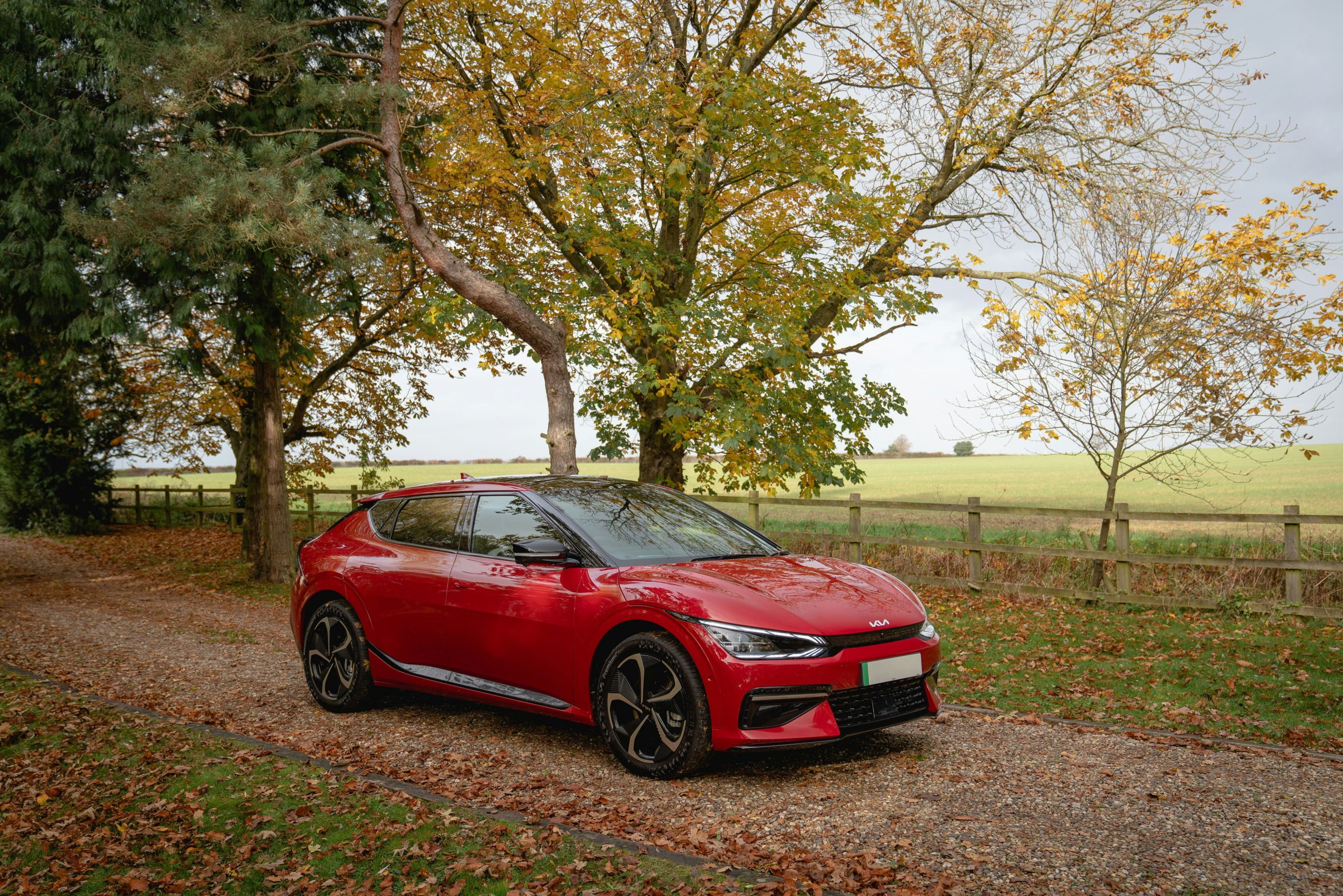
EVs benefit from low BIK rates – currently at 3%. These are set to rise gradually to 9% in 2029, but remain low compared with petrol or diesel cars, which are at least 20% more and dependent on emissions levels, up to 37%. PHEVs can also be cost-effective, but their BIK depends on how far they can drive on electric power alone (although this will rise to 19% in 2029, whatever their electric range is, and there are further tax changes with the introduction of Euro 6e-bis in 2027).
New per-mile road charge from 2028
From 2028, the Government plans to introduce a per-mile road tax: 3p per mile for EVs and 1.5p per mile for PHEVs. This won’t remove the cost advantage of EVs, but it’s worth factoring into long-term running-cost calculations.
Vehicle Excise Duty
Vehicle Excise Duty (VED) taxes have also changed recently. There’s now no difference between EVs and PHEVs as EVs are no longer exempt, so rise to the basic rate of £195 each year. There is a difference in the first year though – EVs are charged at £10, while PHEVs are at a higher rate of £110.
There’s been a change with the Expensive Car Supplement, for both PHEVs and EVs – they’ll both be charged at £425 a year for five years on vehicles above the price threshold. From 2025, this threshold for both EVs and PHEVs increases from £40,000 to £50,000.
Access to charging: probably the biggest deciding factor
How easily you can charge is a good thing to consider, too.
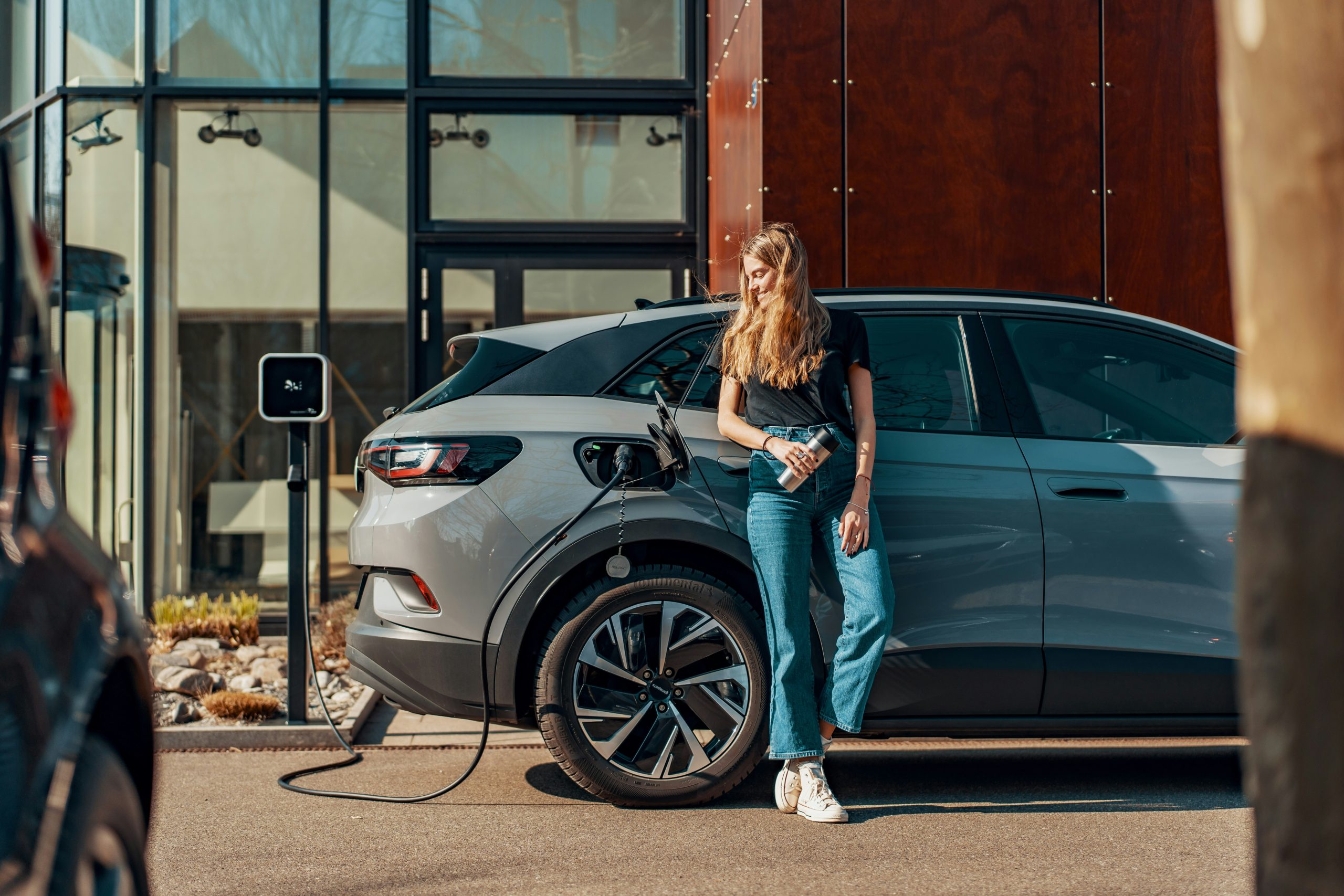
Home charging makes life easiest, so if you have a driveway or dedicated parking, plugging in overnight means you start every day with a full battery. For most drivers, this makes owning an EV incredibly straightforward.
Workplace chargers, destination charging at supermarkets and gyms, and a growing public network all make EV ownership possible without home charging. But if you don’t have regular access to charging, a PHEV may offer extra reassurance.
PHEVs are best suited to charging every day, when you are only doing short commutes or around-town driving, many drivers find they can go weeks or even months without using petrol. Used this way, a PHEV gives most of the benefits of electric driving, with petrol only needed for unexpected or infrequent very long trips.
If you don’t cover a lot of miles, the public charging network may suit your EV needs just fine. Especially with rapid (50kW+) or ultra-rapid charging (100-350kW), you could get your car from 20 to 80% in around 30 minutes – just enough time to do the food shop, for example!
Make sense of EV charging and tips on best practice.
Daily and weekly mileage: how far do you really drive?
Most typical journeys suit a pure EV
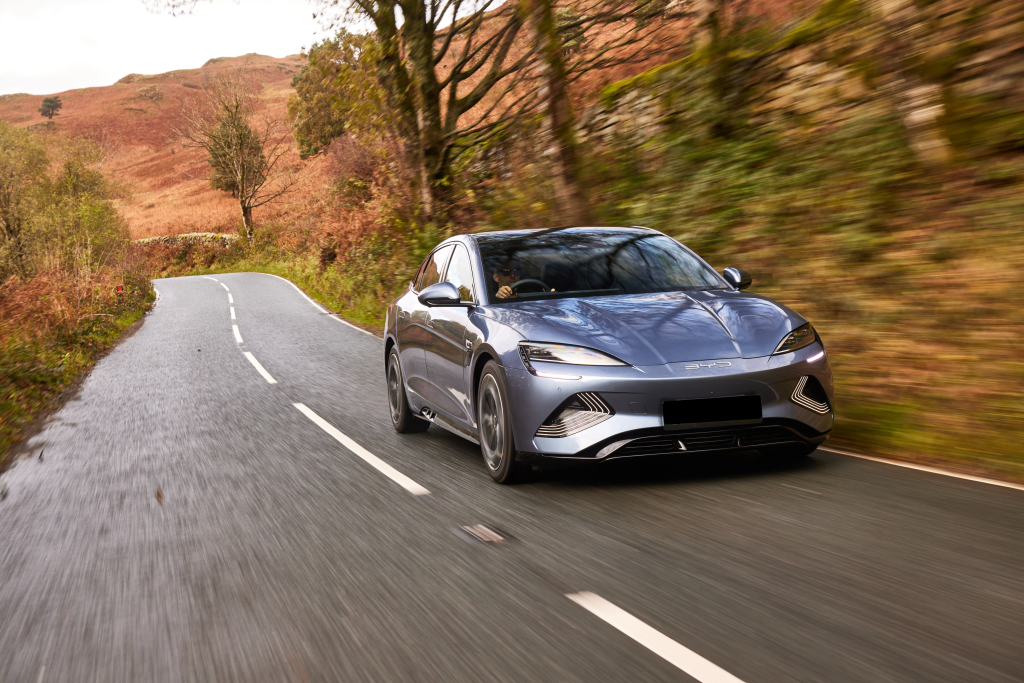
Modern EVs commonly offer 200–300+ miles of range. For commutes and everyday errands, that’s more than enough – especially if you top up overnight once a week or so.
Long, frequent journeys? A PHEV might suit you better
If you regularly cover hundreds of miles in one day without planned stops, a PHEV’s petrol engine can provide flexibility. Pure EVs can still work for long-distance drivers, especially with more cars being introduced with 400+ mile ranges, but you’ll need to plan in charging stops.

Costs: electricity, fuel and running-cost differences
EVs remain the cheapest to run
Charging at home, especially overnight, costs far less per mile than petrol. Public charging can vary in price, but is still generally competitive.
PHEVs can be cheap to run – if used correctly
If you keep the battery topped up and do most of your driving in electric mode, PHEVs can be very efficient. However, if you regularly drive with a flat battery and use the petrol engine, running costs rise sharply.
Salary sacrifice amplifies the savings
Because EVs attract the lowest BIK and have the lowest fuel costs, they typically offer the best value on salary sacrifice. PHEVs can still be a strong option for the right driver profile.
Whichever you choose, you’re making a positive shift toward cleaner, cheaper driving.
Get in touch with Tusker today, so we can help you find the perfect fit for your lifestyle!