
Electric Cars
19th August 2026
Two Teenagers, a Cocker Spaniel and a BMW iX1: Our European EV Road Trip (with zero range anxiety)

Could an electric car really cope with a family road trip across Europe? We packed two teenagers, a cocker spaniel and far too much luggage into our BMW iX1 and decided to find out.
Before taking an electric car on a European road trip, there are a few questions that inevitably cross your mind. Will there be enough chargers? Will they work? Will we spend half the holiday sitting in service stations waiting for the battery to charge?
Add two teenagers and a cocker spaniel into the equation and getting stranded somewhere on a French or Belgian motorway suddenly sounds even less appealing.
But after driving our BMW iX1 from Hertfordshire through France, Belgium and Luxembourg to Germany – with a 150-mile excursion south to Europa Park and a Dunkirk beach detour on the way home – our experience was surprisingly straightforward.
In fact, charging the car barely felt like part of the holiday at all.
Starting out: Hertfordshire to Folkestone
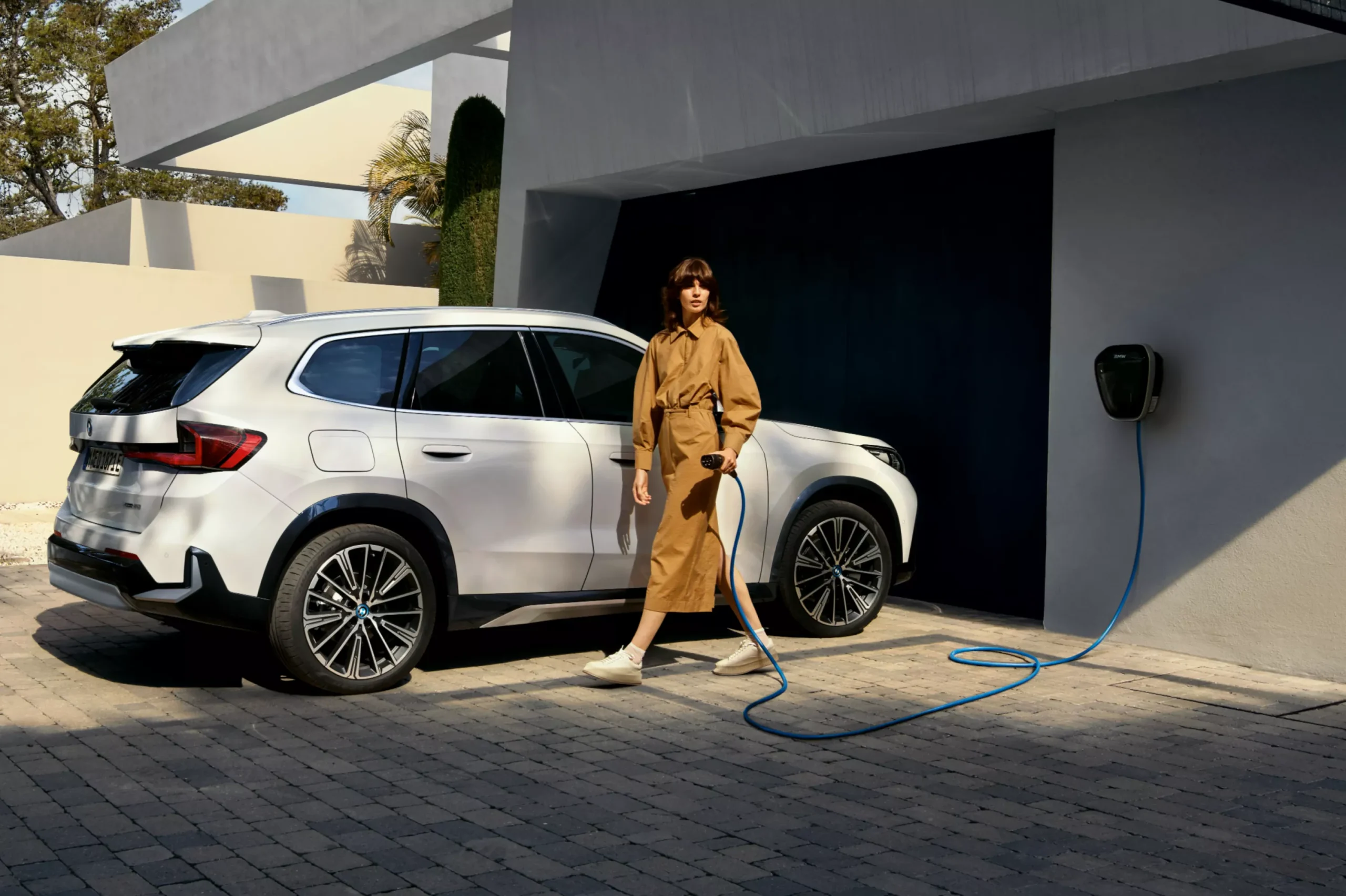 We left Hemel Hempstead on Thursday 30 July with a full battery.
Our first leg was the roughly 90-mile drive from Hertfordshire to Folkestone, which the iX1 handled easily.
Rather than combine an early start with the Channel crossing the following morning, we’d booked into the Holiday Inn near the LeShuttle terminal for the night. It made the beginning of the holiday much more relaxed and meant Friday morning didn’t involve dragging two teenagers out of bed at some ridiculous hour.
We topped the car up that evening.
Charging cost: £20.52
Folkestone to France
On Friday morning it was only around a ten-minute drive to the LeShuttle terminal at Folkestone, so there was obviously no need to charge again.
There are EV charging facilities at the terminal if you do need them, including ultra-rapid ENGIE chargers as well as Tesla Superchargers, so arriving with a low battery wouldn’t necessarily be a problem.
We checked in, got ourselves – and the dog – through the formalities and boarded.
Around an hour after arriving at the terminal, we were rolling off the train in Calais and our European road trip had properly begun.
France, Belgium… and our first charging stop
From Calais we headed east towards Belgium.
Around an hour and a half later, it was time for our first proper motorway stop.
We pulled into a service station where there were several chargers available, plugged the BMW in and headed inside.
Twenty minutes later, we’d bought snacks, everyone had been to the toilet, the dog had stretched his legs and the car had topped itself up.
In other words, the charging hadn’t delayed us at all. We’d have stopped anyway.
Charging cost: £22.41
The chargers accepted our RFID card without any problems, and we were quickly back on the road.
That became something of a theme for the entire holiday.
Lunch in Luxembourg
We continued through Belgium and eventually decided it was time for lunch.
By this point, we didn’t actually need to charge. But there were chargers available, we were stopping anyway and we were in Luxembourg – another country to tick off the family travel list.
So why wouldn’t we plug in?
Half an hour later, we’d eaten, the car had gained plenty more range and we were ready for the final stretch into Germany.
Charging cost: £20.52
This was probably the biggest lesson of travelling long distance in an EV: don’t necessarily wait until you desperately need electricity.
If you’re stopping for lunch, coffee or a toilet break and there’s an available rapid charger, plug in. You’re turning time you were going to spend stationary anyway into extra range.
Arriving at Center Parcs Bostalsee

Our destination was Center Parcs Park Bostalsee in Saarland, Germany, around 300 miles from Calais.
We arrived with approximately 30% battery remaining.
That was more than enough for the next few days of local sightseeing, shopping and exploring.
And once again, finding somewhere to charge wasn’t difficult.
During one supermarket trip we discovered a rapid charger at the local Lidl. We plugged in while we did the shopping and left with a full battery.
Charging cost: £28.52
A few days later there was a reason for filling it completely.
We had a bigger day trip planned.
150 miles south to Europa-Park
One of the highlights of the holiday was a day out to Europa-Park.
If you’ve never been, it’s well worth adding to the list. Rollercoasters, rides and attractions kept us occupied for the entire day – even the dog was allowed in to soak up the fun.
Although we left with a full charge, we did need another charge on the return journey.
That turned out to be one of our more expensive stops.
Charging cost: £35.47
Again, though, the important thing was what didn’t happen.
No hunting around for a working charger. No lengthy queue. No charger refusing to communicate with the car. No sitting around wondering whether we’d make it home. We just found a McDonalds on a local motorway and plugged in while we ate.
Getting ready for the journey home
After Europa-Park, we didn’t need another charge for the remainder of our stay as this was mostly on site.
The day before leaving Germany, we filled the battery ready for the journey home. This was done at the chargepoints at Center Parcs itself – where there was a bank of around 12 chargers.
Charging cost: £32.10
We then had one main charging stop during the drive back towards the Channel.
Charging cost: £38.57
And because we weren’t quite ready for the holiday to end, we made a diversion to Dunkirk for the beach before heading back towards Calais.
Travelling with a dog makes stops part of the journey anyway. He needs to get out. The teenagers need feeding. The adults need coffee. Somebody always needs the toilet.
That makes an EV surprisingly well suited to the rhythm of a family road trip.
Back in England
Once we’d crossed back into England, we stopped for food and plugged the BMW in one final time.
Did we actually need to?
No.
But the charger was there, we were stopping anyway and having some extra range for the final drive home seemed sensible.
Charging cost: £14.74
And that was it.
Home.
Several countries, hundreds of motorway miles, a theme park, a German Center Parcs, a trip to the beach, two teenagers and one well-travelled cocker spaniel later, we’d completed our European EV road trip.
So, how much did charging actually cost?
Our total public charging cost: £212.85
We were travelling with friends in their diesel Ford Galaxy, and they spent approximately £220 on diesel over the same holiday.
So even relying on comparatively expensive public rapid charging, the EV was slightly cheaper.
It’s also worth putting that £212.85 into context.
At home, we normally spend only around £6 a week charging the BMW. Public rapid charging on motorways is obviously much more expensive than plugging in at home, so a European road trip isn’t representative of our normal running costs.
The savings we make during the rest of the year more than compensate for paying higher charging prices while we’re away.
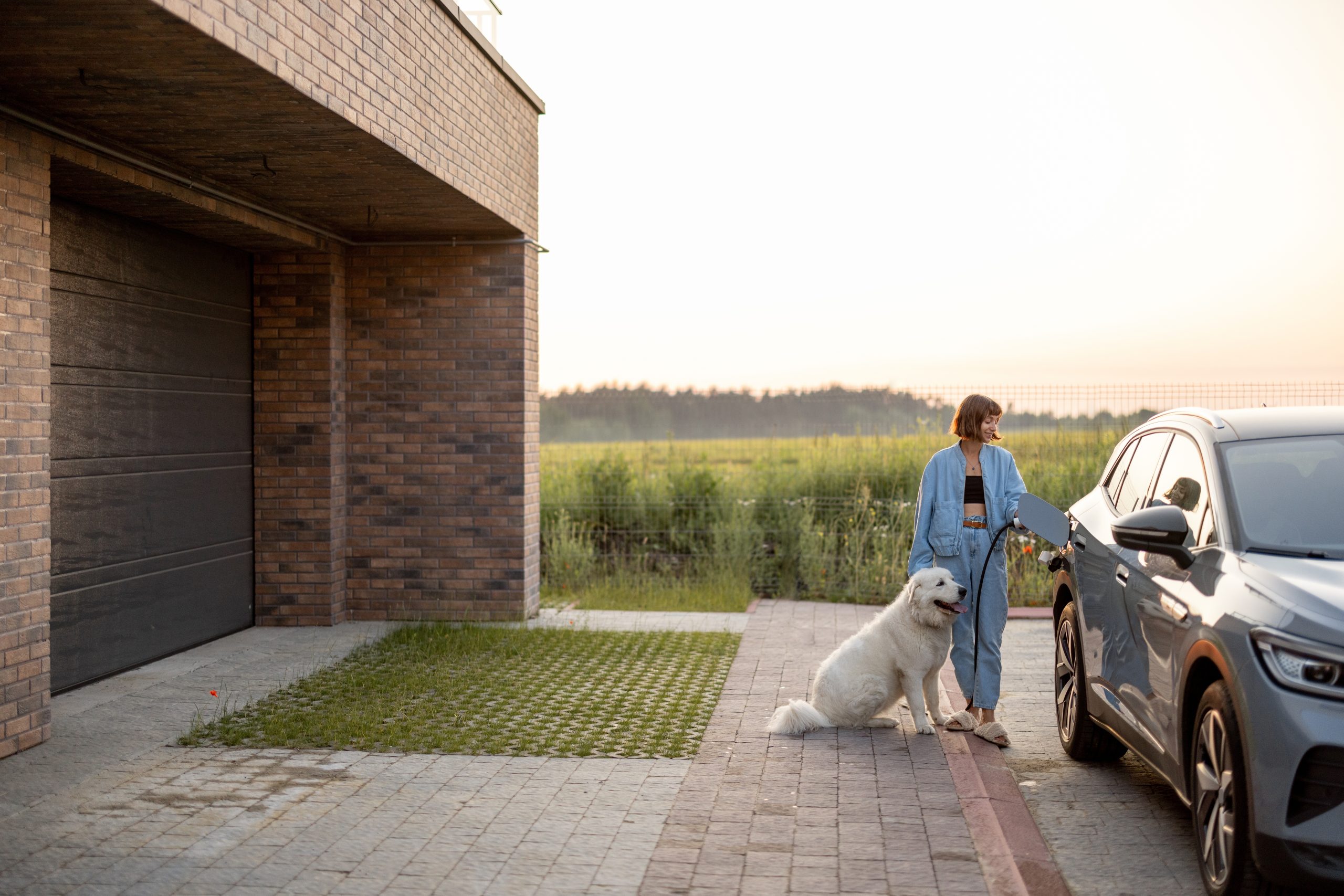
The thing everyone asks: what about range anxiety?
This was probably the biggest surprise of the trip.
We simply didn’t have any.
Not once did we arrive somewhere and discover every charger was occupied.
Not once did we find ourselves unable to access a charger.
Not once did we encounter a broken charger that left us wondering what to do next.
Every charger we used worked. Charging was quick and there were plenty of opportunities to plug in along the route.
And perhaps most importantly, we never felt as though charging got in the way of the holiday.
Yes, we had to stop.
But with two teenagers and a dog, we’d have stopped anyway.
Twenty minutes charging at a motorway service station disappeared into buying drinks and snacks and going to the toilet. Thirty minutes in Luxembourg disappeared into lunch. Charging at Lidl happened while we were doing the shopping.
Instead of structuring the holiday around the car, we simply charged the car around what we were already doing.
Our route at a glance
Outbound:
Hemel Hempstead → Folkestone (approx. 90 miles)
Folkestone → LeShuttle → Calais
Calais → Belgium → Luxembourg → Center Parcs Park Bostalsee, Germany (approx. 300 miles from Calais)
While in Germany:
Bostalsee → Europa-Park (approx. 150 miles each way) → Bostalsee
Return:
Bostalsee → Luxembourg/Belgium → Dunkirk → Calais → LeShuttle → Folkestone → Hemel Hempstead
All told, once the local driving, sightseeing, Europa-Park excursion and Dunkirk detour are included, this was a substantial European road trip rather than a carefully controlled EV test run.
And that’s really the point.
Would we take the BMW iX1 across Europe again?
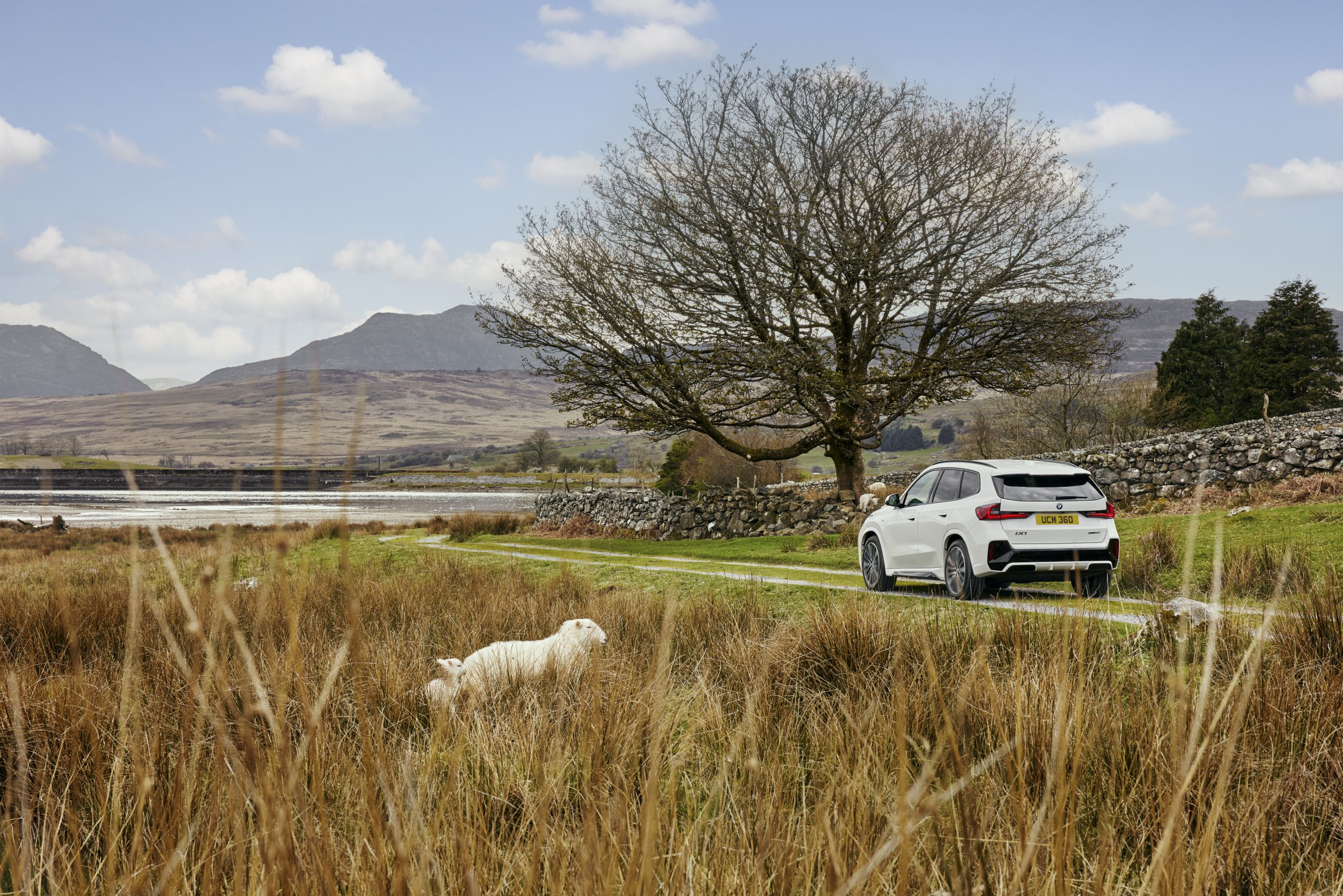 Absolutely.
Before doing it, it’s easy to imagine travelling through Europe in an EV as a logistical exercise involving charging apps, battery calculations and carefully planned stops.
The reality was far less dramatic.
We drove. We stopped when the family needed to stop. We plugged in when there was an opportunity. Then we carried on.
The charging network we encountered through France, Belgium, Luxembourg and Germany was plentiful, fast and reliable. Our total charging bill was comparable with the diesel cost of the friends travelling alongside us.
Most importantly, the BMW iX1 did exactly what we wanted a family car to do.
It took four people, a cocker spaniel and our luggage across Europe, carried us around Germany, took us 150 miles south for a brilliant day at Europa-Park, brought us home via the beach at Dunkirk and never once made charging the memorable part of the holiday.
And perhaps that’s the best compliment you can give an electric car on a road trip.
The holiday was the adventure. Charging was just something we did along the way.
Planning to travel around the EU? Read our handy guide on everything you’ll need to bring with you; from certificates to trailers.
Get access to our guide, here.