
Electric Cars
22nd October 2026
Vehicle-to-Load (V2L): How your electric car could power more than just your journeys
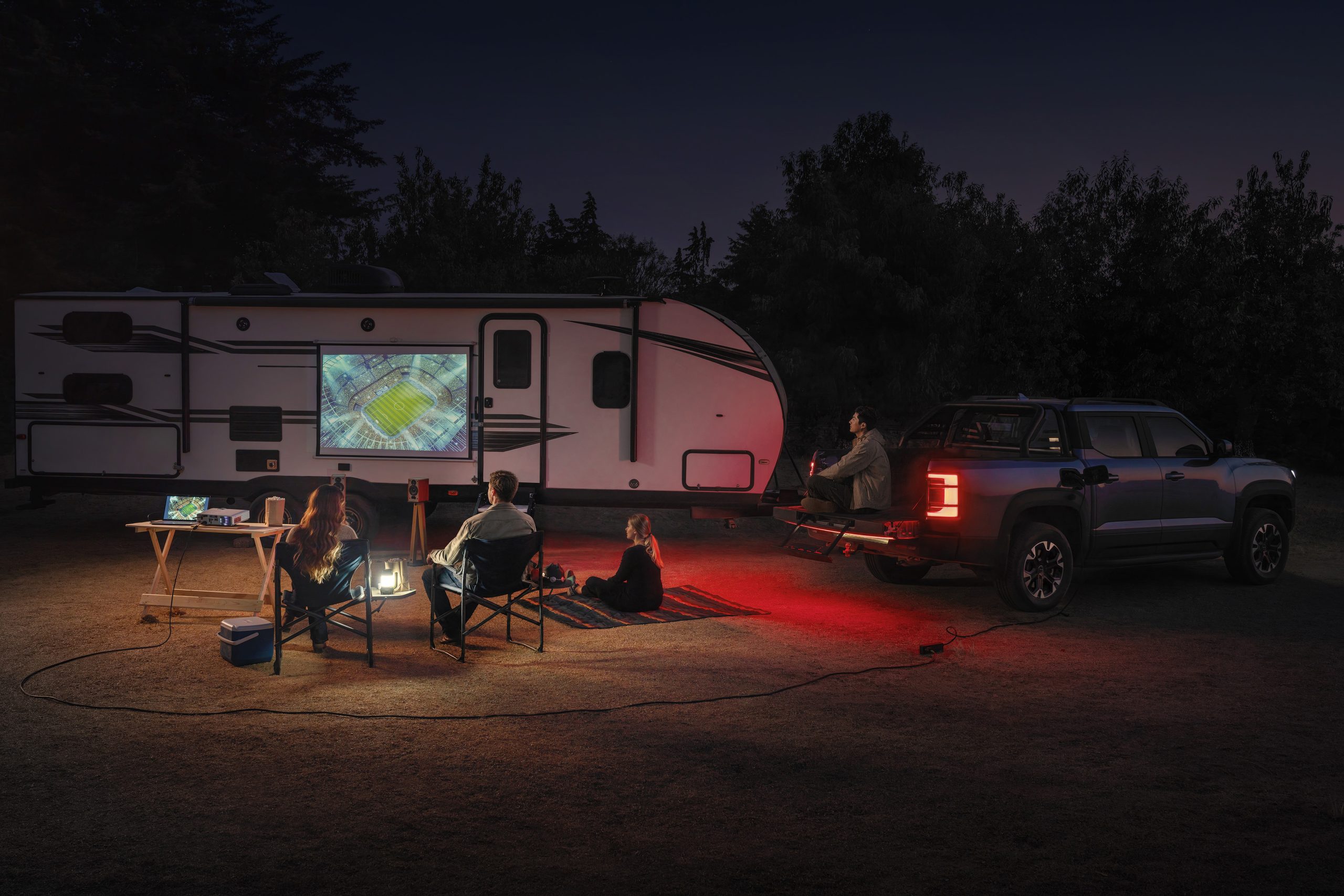
Most people think of electric cars as a way to get from A to B. But some EVs can do much more. Vehicle-to-Load (V2L) technology allows compatible electric cars to power everyday devices directly from the battery, opening up new possibilities for work, leisure and emergencies.
Vehicle-to-Load (V2L): What is it and how does it work?
Electric cars are packed with innovative technology, and Vehicle-to-Load (V2L) is one feature that’s generating growing interest among drivers.
Put simply, V2L allows a compatible EV to supply electricity to external devices. Using a dedicated adapter or integrated power outlet, energy stored in the car’s battery can be used to run electrical equipment such as laptops, lighting, camping equipment, power tools and even some household appliances.
Think of it as turning your electric car into a large portable power bank.
While charging discussions often focus on how electricity flows into an EV, V2L enables electricity to flow in the opposite direction, providing power when and where you need it.
What can you power with Vehicle-to-Load?
The exact capabilities will depend on the model and its power output, but common uses include:
Remote working
Need to work away from the office and home? A V2L-enabled EV can help power:
- Laptops
- Monitors
- Mobile phones
- Portable Wi-Fi devices
This can be particularly helpful for those working on site visits, attending events or spending time away from fixed power sources.
Outdoor activities
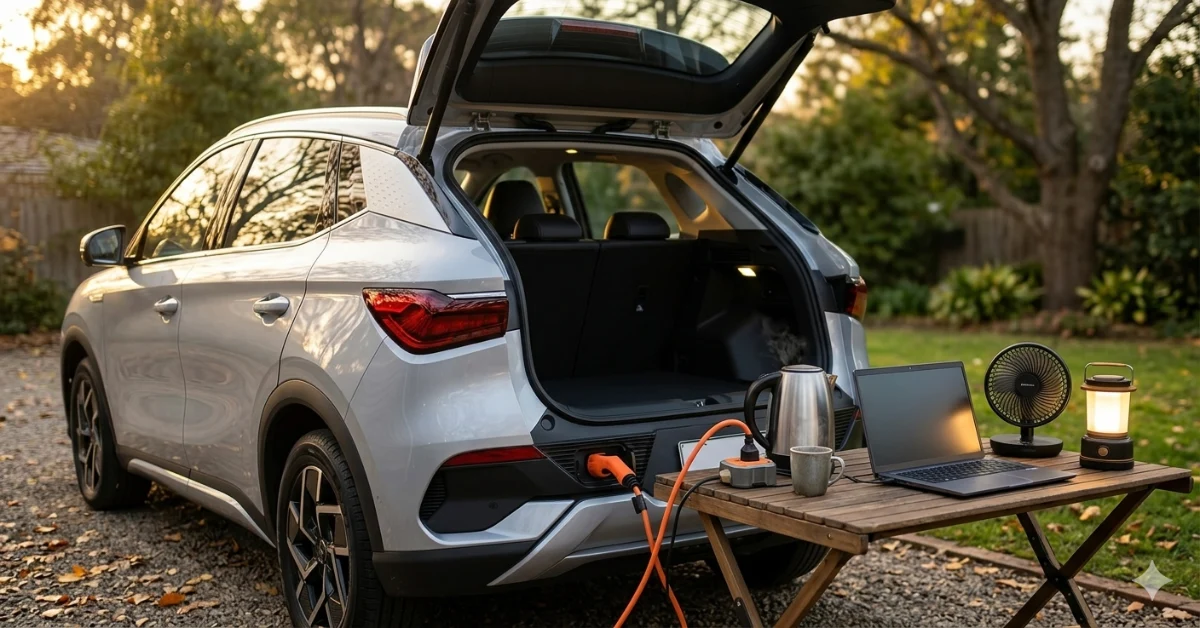 V2L has become increasingly popular with drivers who enjoy:
- Camping
- Caravan holidays
- Outdoor events
- Festivals
- Day trips
Rather than relying on separate generators, compatible EVs can provide a quieter and more convenient power source.
DIY and home improvement
Many power tools can be run using V2L functionality, making it useful for projects in locations where mains electricity isn’t easily accessible.
Emergency backup power
In the event of a temporary power cut, V2L may help keep essential devices running, such as lighting, phones or internet equipment. Drivers should always follow the manufacturer’s guidance on suitable uses and power limits.
Which electric cars offer V2L?
A growing number of manufacturers now offer Vehicle-to-Load capability across selected models.
Availability can vary depending on model year, specification and trim level, so it’s important to check the specific details before ordering.
Many manufacturers have recognised the growing demand for bidirectional energy features, particularly as more drivers look for additional flexibility from their electric vehicles. Some of the most popular V2L EVs include;
- Hyundai IONIQ 5, 6 and 9
- Kia EV6, 5, 9, 3, 5 and select EV2 trims
- BYD Atto 3 and Dolphin
- VW ID.4 and ID.5
- Volvo EX30
- Renault 5 E-Tech
- Nissan Leaf
Currently all available through Tusker’s salary sacrifice scheme, check our In Stock and Build your Car pages on the driver portal.
If you’re choosing an electric car through Tusker, reviewing the model’s specification is the best way to confirm whether V2L’s included.
Does using V2L affect your range?
It can, but don’t let that put you off.
The electricity used to power your devices comes from your car’s battery, so it’ll have some impact on your range. But for everyday uses, such as charging a laptop, phone or camping equipment, the difference is often quite small.
Many compatible EVs also allow you to reserve a certain amount of battery for driving, giving you peace of mind that you’ll still have enough charge to get where you need to go.
The key is to think of V2L like any other feature that uses energy from the battery: the more power you use, the more range you’ll use. For most drivers, occasional use is unlikely to make a significant difference to day-to-day journeys.
Vehicle-to-Load vs Vehicle-to-Grid: What’s the difference?
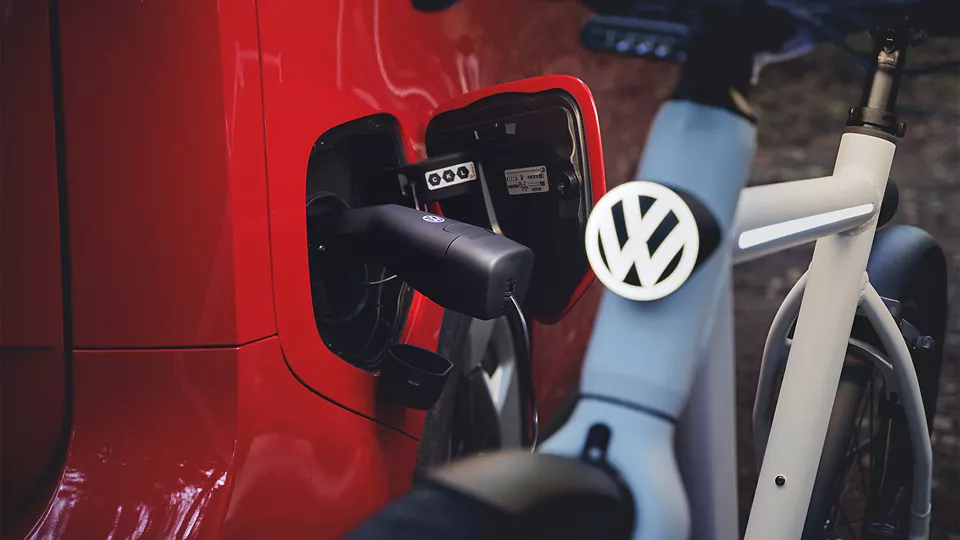 These terms are often confused, but they’re not the same.
Vehicle-to-Load (V2L) allows electricity to flow from the vehicle to external devices.
Vehicle-to-Grid (V2G) enables electricity to be exported back to the electricity network, helping support grid demand under certain conditions.
V2L is currently the more widely available feature for everyday drivers because it doesn’t require specialist infrastructure or energy provider arrangements.
Is Vehicle-to-Load right for you?
For many drivers, V2L may never become an essential feature. But for those who regularly work remotely, enjoy outdoor adventures or simply like having additional flexibility, it can add another useful dimension to having an EV.
It’s also a good example of how electric cars continue to evolve beyond traditional transport, offering practical benefits that many drivers may not have considered.
When choosing your next electric car, it could be worth looking beyond range and charging speeds to explore the extra features available. Vehicle-to-Load may be one that proves surprisingly useful.
Login to the driver portal to discover which electric cars offer V2L technology at Tusker.
Information accurate as of published date; October 2026