
Electric Cars / News & Updates / Salary Sacrifice
23rd March 2026
What the latest HMRC fuel rates mean for drivers – and why EVs still come out on top
From the 1st of March 2026, HMRC’s latest Advisory Fuel Rates (AFRs) and Advisory Electric Rates (AERs) came into effect. These published mileage rates are used specifically for company cars to reimburse employees for business fuel. They are not mandatory, but recommended, with employers able to use their own rates if they can demonstrate why they accurately reflect actual fuel costs. However inaccuracies can lead to complexity and potential tax increases.
The latest quarterly figures bring a mix of minor updates and continued stability that company car drivers should be aware of.
Petrol and diesel reimbursement rates remain unchanged, but there have been slight alterations to electric and LPG rates which highlight a continuing shift in how driving costs are calculated. But EV drivers, don’t stress – it still signifies a positive trend that reemphasises why more and more people are moving to electric vehicles through schemes like Tusker’s.
What’s changed?
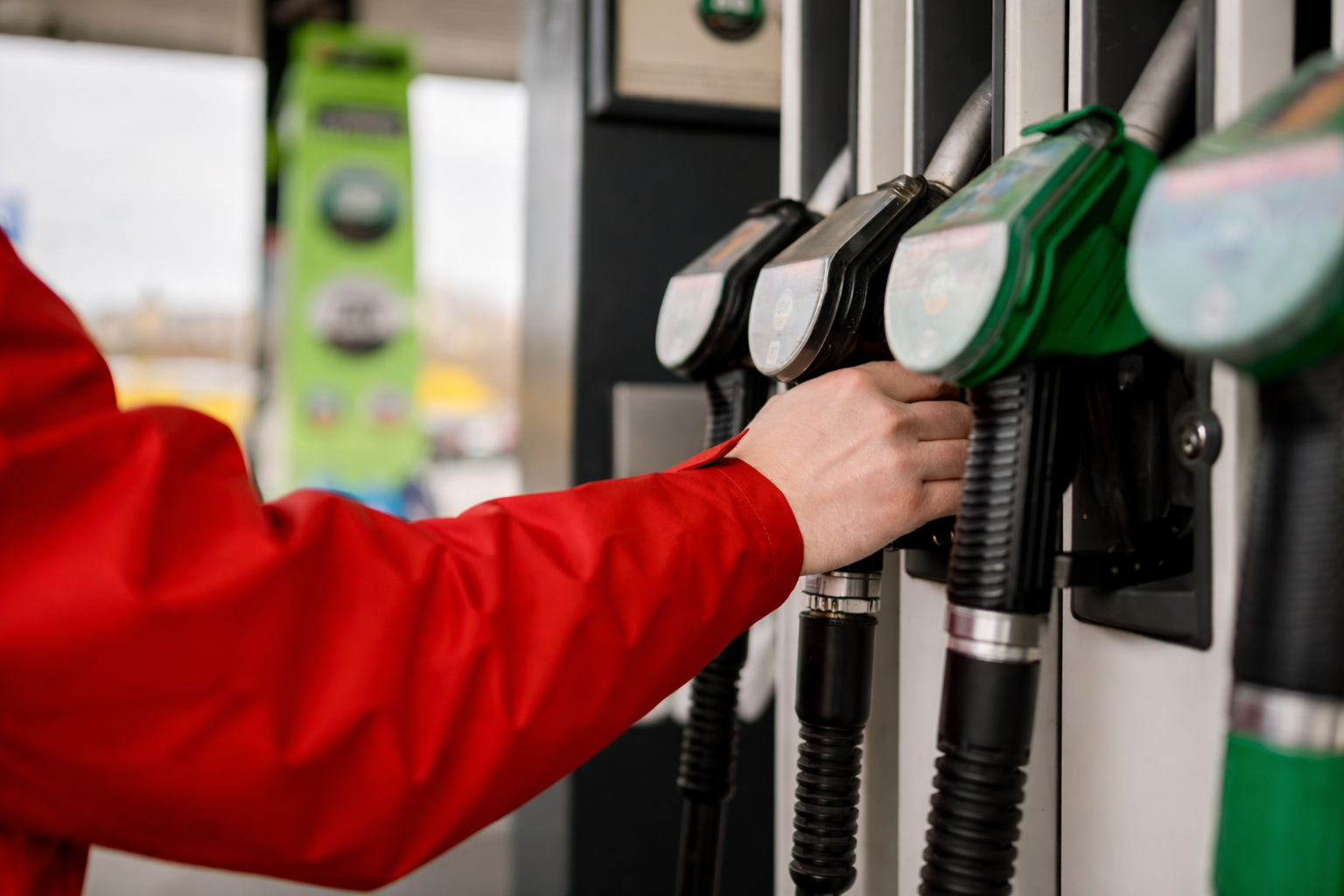
When it comes to traditional fuels, the answer is… nothing. Petrol and diesel rates have remained the same (as shown in the table below).
| Engine size | Petrol (pence per mile) |
| 1,400cc | 12p |
| 1,401-2,00cc | 14p |
| Larger engines | 22p |
| Engine size | Diesel (pence per mile) |
| 1,600cc | 12p |
| 1,601-2,00cc | 13p |
| More than 2,000cc | 18p |
LPG rates – vehicles that run on Liquefied Petroleum Gas (autogas) in addition to petrol – have slightly decreased, however.
| Engine size | LPG (pence per mile) |
| 1,400cc | 10p (fallen from 11p) |
| 1,401-2,00cc | 12p (fallen from 13p) |
| More than 2,000cc | 19p (fallen from 21p) |
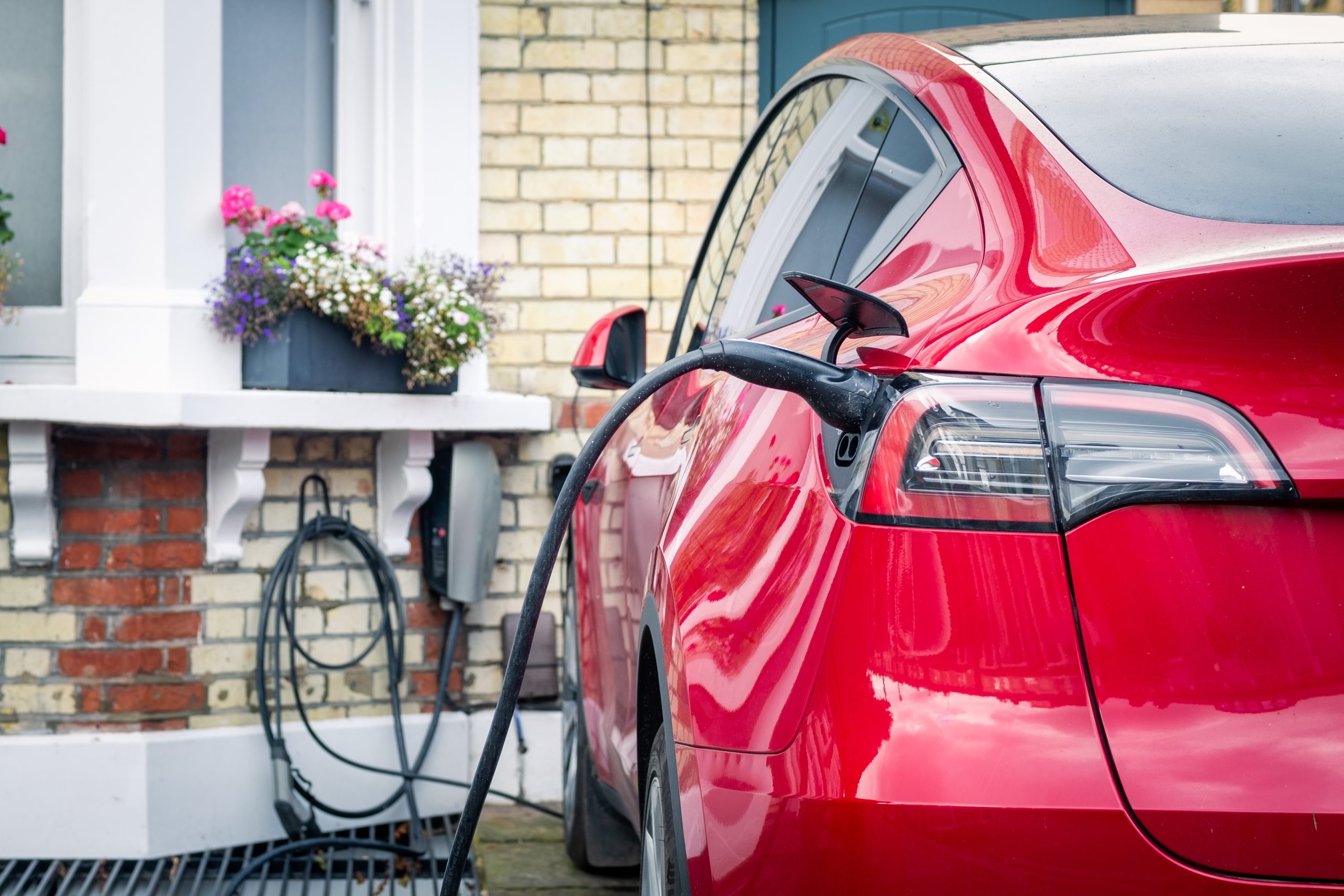
There were also some modifications in AER rates for electric vehicles (EVs). The home charging rate remains at 7ppm, with the public charging rate increasing from 14ppm to 15ppm.
While the slight increase in public charging rates may first appear like EVs are becoming more expensive, the reality is not worrying. In fact, the slight increase in public charging simply means drivers can now claim back more of what they’re already spending – reflecting rising real-world costs.
Why this matters
For employees using their own or company vehicles for business travel, these rates determine how much they can claim back from their employer without incurring additional tax.
Petrol and diesel drivers’ reimbursement rates have stayed the same – reflecting relatively high running costs and volatile prices. They don’t however always fully equate to real-world spend, especially for larger or less efficient vehicles.
However, in positive news for electric car drivers, on average they continue to consistently benefit from lower per-mile costs, especially when charging at home. This makes EVs significantly more cost-effective, with lower running costs for employees and cheaper reimbursement costs for employers.
It is important to note that as the new public charging rates don’t reflect costs at ultra-fast chargers, HMRC advises that, just as you can with other fuels, it is optional to use a higher amount than the advisory rates if you can prove cost per mile is higher. However, this can create additional admin and potential tax disadvantages if inaccurate.
The bigger picture
While these latest updates may seem minor, they reflect an overarching shift in how driving costs are evolving. EVs continue to provide a competitive advantage, both in running costs and reimbursement costs, particularly when employees charge at home.
And better yet, when employees use schemes like Tusker’s, the benefits can go even further – combining salary sacrifice savings with an all-inclusive package that removes the hassle and uncertainty from driving, making the switch to electric easier than ever.
Make the switch with Tusker, today.