
Electric Cars / Employee / Salary Sacrifice
April 7, 2026
Meet Alan, one of our EV drivers from Watches of Switzerland.
Meet Alan, one of our EV drivers from Watches of Switzerland.
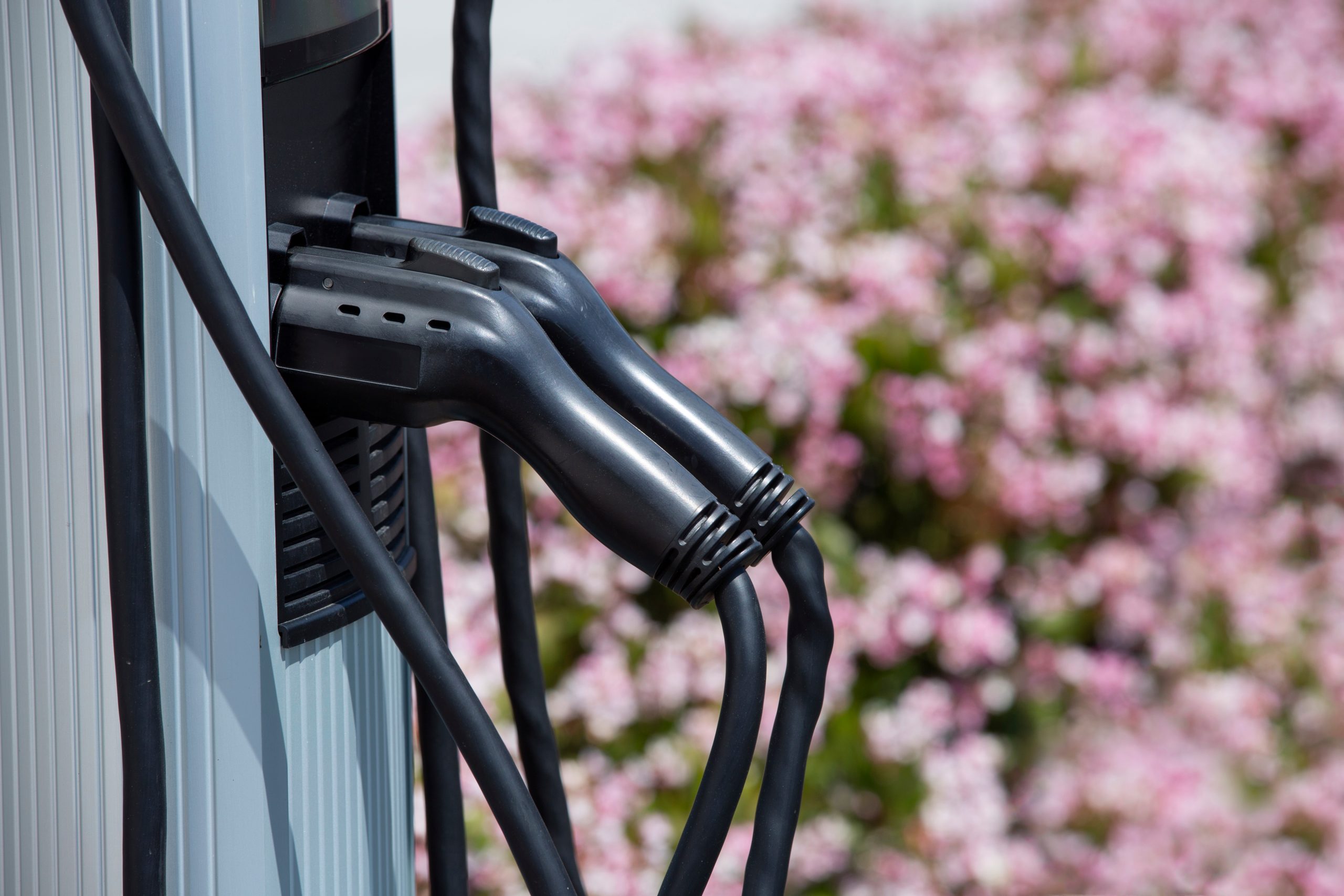
When Alan Henderson, an EV driver from Watches of Switzerland, chose a Lexus UX Electric through Tusker, he wasn’t planning to switch to salary sacrifice. Alan’s had several Lexus in the past – all previously bought outright and he simply wanted the reliability he’d always trusted.
What he didn’t expect was just how much he’d save.
Cruising through the driver portal with ease.
Alan found Tusker through his work intranet and took the time to explore the offerings, savings and overall flexibility of the scheme. The driver portal offers a wealth of information and support, including articles to help you find your perfect car, your dedicated driver line, FAQs, and everything you need to know about the car benefit scheme.
Tusker offer thousands of models available in stock as well as those built to your specification. Alan found the platform simple to navigate, with plenty of option and clear, uncomplicated pricing; the decision to choose the fully electric Lexus was easy.
In his words, the experience was “perfect.”
Understanding the difference between gross vs net.
Gross vs net cost is something that a lot of our drivers get confused on, and at first glance before going through the full breakdown calculation, it can look like a large amount of money out of your salary. However, for Alan, this changed his mind of going ahead with a Tusker car quickly as he realised the differences between gross vs net along with insurance, road tax, maintenance, servicing and MOTs being included, proved there was going to be a big saving for him. To put simply, the gross is the amount deducted from your salary before tax. The net cost, which is what you’ll see on your quote, is the actual amount that comes out of your monthly salary, after-tax and NI deductions.
Click here for a full breakdown on net vs gross for salary sacrifice.
For the Lexus UX, the monthly take-home amount Alan ended up quoting, as a higher rate taxpayer, was far less than what he originally anticipated. “It worked out at less than half the gross cost. That’s a huge saving, so it was an easy choice to go with Tusker.”
Before joining the scheme, Alan was spending around £600 a month on petrol, insurance and road tax. Now, everything is wrapped into an inclusive package — and it’s far less than expected.

Clearing the confusion of gross vs net for colleagues.
Alan regularly talks about the scheme with his colleagues, friends and family. He’s noticed that a few of his colleagues also hesitate when they first look at the overall monthly amount on the driver portal. “Everybody’s a bit wary to go and take that large figure out of their salary each month. But I’ve explained to them — go in and look at the cars and see the full breakdown cost for you, and actually you’ll see it’s hugely beneficial to everybody.”
“I can understand why they may be a bit scared of it at first, but it’s absolutely fantastic and I highly recommend it to everyone.”
Big mileage. Even bigger savings.
As soon as Alan set his eyes on the Lexus UX, he knew this was the car for him. “I’ve always had a Lexus. They’re reliable, great cars — I love them. As soon as I saw there was one available, I knew that’s what I wanted.”
This wasn’t a light-use switch. Alan drives around 100 miles a day for work — 50 miles each way. That’s where electric has really delivered.
“It’s about £3 to charge, and that gives me roughly three journeys. If I charge three times a week, it’s just over a tenner.”
Previously, petrol alone was costing around £50 a week. “For me, it’s a no-brainer.”
Through the Lexus Charging Network, drivers can access over 150,000 public charging points across Europe through the Lexus Link+ app, which shows real-time availability, charging speed, and price per kWh.
Changing mindset to become more mindful.
Alan installed a home charger for just over £1,000 and hasn’t needed to use public charging yet — his daily commute comfortably fits within the car’s range.
His wife also has an electric car at home. Alan expressed that managing two electric cars and one charger at home takes a little coordination, but it’s a small adjustment that has now become second nature. It’s about changing your mindset and planning ahead with initial adjustments to your routine, and it will quickly become your new normal.
“You just get used to it — it’s absolutely fine.”
Would Alan choose electric with Tusker again?
“Hundred percent.” And it’s not just about the savings.
“It’s an absolute flying machine. You can go along the motorway and just put your foot down, not that I’m a speed freak or anything! I just love the way it drives. And you’re not having to look for petrol stations all the time either.”
For drivers covering serious mileage, electric really can be a smart move. With lower day-to-day running expenses and more public charging installations across the country, making the switch can make a real difference.
Like Alan and his colleagues, if you’re a bit cautious at first, go through the steps to find the official net monthly amount to find exactly how much you’ll be redacting and saving. If you have any questions, just give our Employee Engagement team a call on 0333 400 7431.
Make a smarter move and switch with Tusker.
Find out more, today.
Dennis Martin, another EV driver from the Watches of Switzerland Group, shares his experience with the scheme as well.
You can also read the employer case study, here.