
Electric Cars / Employee / Employer Insights
2nd February 2026
How safe is an EV?
Electric vehicles (EV’s) continue to grow in popularity, with more than 2 million employees getting access to an EV through Tusker’s salary sacrifice car benefits scheme. However, we know that there’s still speculation and curiosity about making the switch to electric, and drivers still have questions about the safety of an EV. But these questions are quickly answered as fully-electric cars come equipped with impressive safety features that match, and mostly surpass, petrol or diesel cars.

Are you wondering, how safe really is an electric car? Well, look no further, as we share all in this guide:
Electricity versus internal combustion
An immediate safety benefit of an EV is how they get their power. Unlike conventional vehicles, EVs don’t carry flammable liquids like petrol or diesel which eliminates the risk of fuel leakage and significantly reduces the likelihood of fire-related accidents. The absence of the traditional engine also means that EVs have fewer moving parts, reducing the potential for dangerous mechanical failures.
Advanced Battery Safety
EVs get their power from a battery pack, which undergo rigorous testing to ensure they can withstand extreme conditions such as high temperatures, vibrations, water and impacts. Many EVs are also equipped with battery management systems that monitor temperature, voltage, and current to prevent any hazards.
This is especially true in a collision, where manufactures have ensured safety through thoughtful battery placement as well as crash resistant structures and safety systems that automatically isolate the battery and disconnect the power in the event of a crash. German automotive specialist Bosch, for example, has developed a system that drives a small wedge into the cable when the airbag is triggered, ensuring power cut-off.
Attention to detail
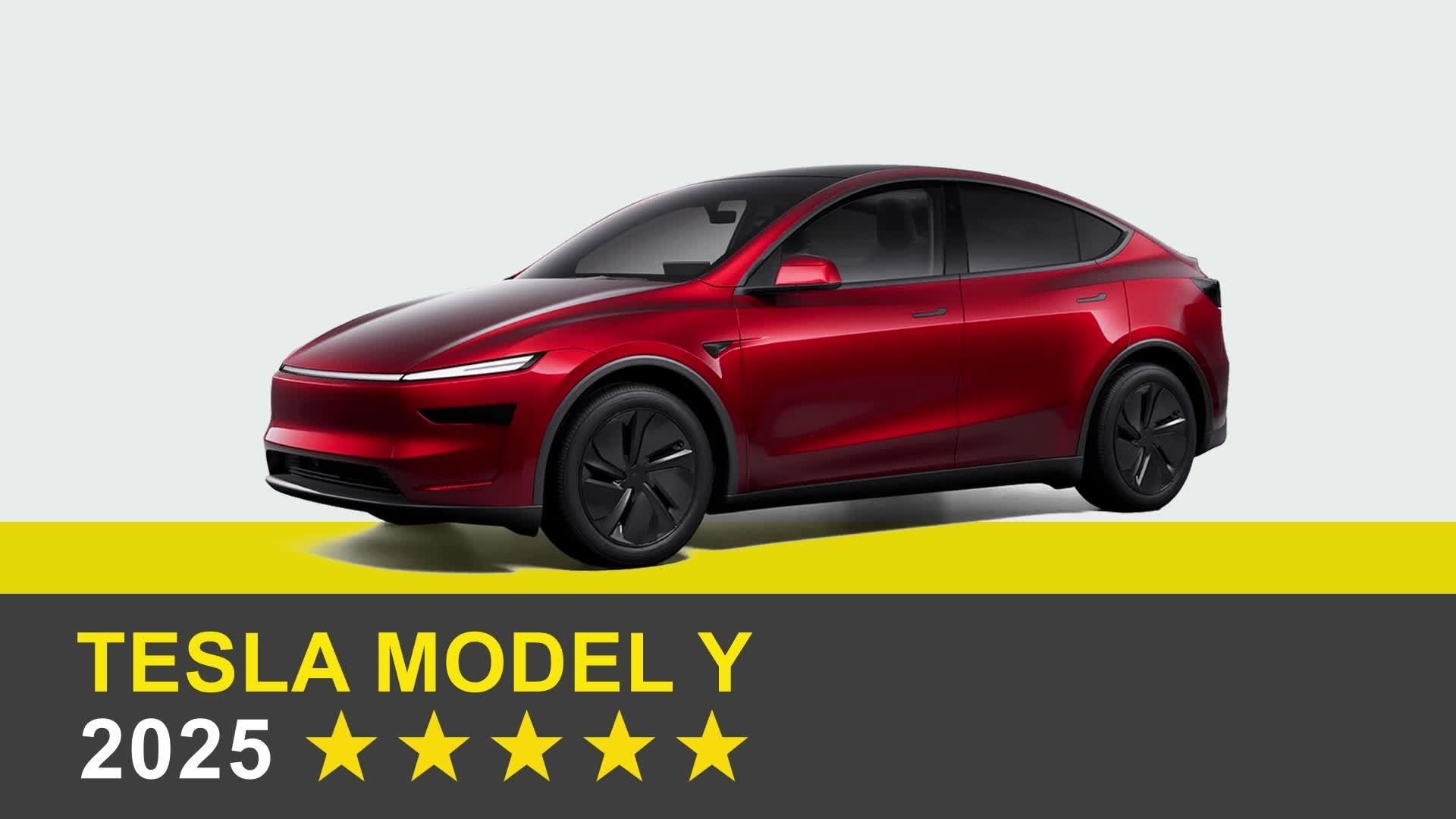 A benefit of EVs being such a new technology means that most come equipped with an array of high-tech safety features, often the latest in tech which their petrol or diesel counterparts don’t have. These can include lane-keeping assist, adaptive cruise control, and forward collision warning that provide an extra layer of safety to drivers. Additionally, EVs often incorporate multiple airbags, reinforced frames and advanced crumple zones to absorb and distribute impact forces, following the same strict design and manufacturing regulations as petrol and diesel cars, such as the Euro NCAP (new car assessment programme) testing. These rigorous tests ensure the safeguarding of drivers and passengers in the event of a collision; in the 2025 ratings, the top 5 cars rated as #1 in safety were all electric cars – Mercedes-Benz CLA, Tesla Model 3, Firefly Firefly, Tesla Model Y, and Smart #5. Electric vehicles dominated the highest safety ratings leaderboard with EVs covering almost all of the 5 star ratings plus being the highest ratings in every category across the assessment programme.
There is also the EV specific technology, regenerative braking, that utilize the motor to slow down the vehicle while at the same time recharging the battery. Regenerative braking enhances control, reduces wear on traditional braking systems, and reduces the risk of accidents caused by brake failures.
Read our article on the safest cars in 2025EVs are, and will continue to be, the cutting edge of safety
EVs offer an innovative design with cutting-edge battery technology and comprehensive safety features that ensure your safety on the road. The number of safety features available will differ depending on the model spec, but you can find the most popular models and trims on our site to suit your needs.
Click here to see our Popular CarsIf you’re looking for a bit more information and still wondering if an EV is the right choice for you, we have a suitability test you can take over on our EV Hub or speak to one of our team today who are always happy to answer any questions or concerns you have 😊
Take the EV suitability test